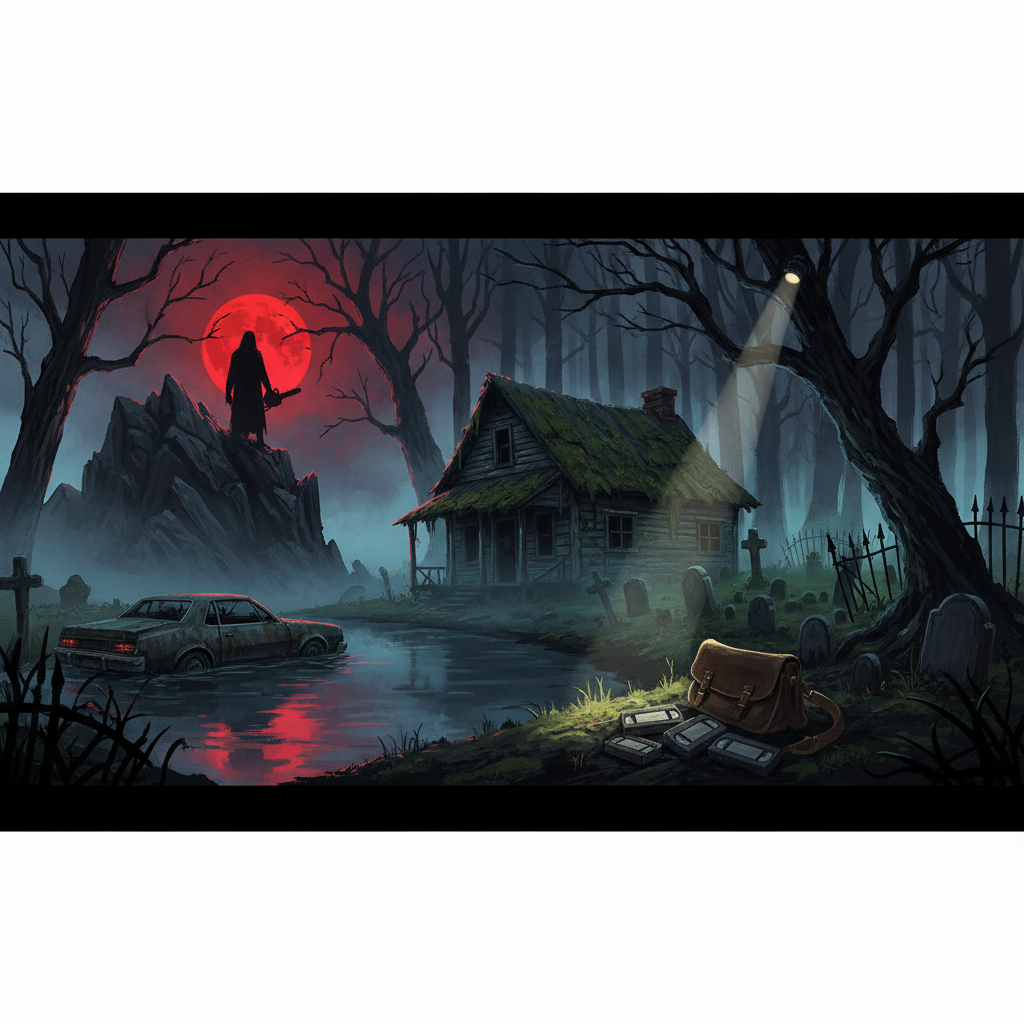
For good 80s horror movies, look no further than classics like Aliens (1986), A Nightmare on Elm Street (1984), and The Thing (1982), which exemplify the decade’s diverse offerings from action-horror to psychological dread. The 1980s were a prolific period for horror, marked by the rise of home video and a surge in creative output across various subgenres.
The Essentials: Top-Rated 80s Horror Films
The 1980s delivered a wealth of highly acclaimed horror films that continue to resonate with audiences today. These movies often feature groundbreaking special effects, memorable characters, and innovative storytelling that pushed the boundaries of the genre. From intense sci-fi action to psychological thrillers and body horror, the top films of the decade showcase a broad spectrum of what made 80s horror so impactful.
| Rank | Movie Title | Year | Director | Notable Stars |
|---|---|---|---|---|
| 1 | Aliens | 1986 | James Cameron | Sigourney Weaver, Michael Biehn |
| 2 | A Nightmare on Elm Street | 1984 | Wes Craven | Robert Englund, Heather Langenkamp |
| 3 | The Fly | 1986 | David Cronenberg | Jeff Goldblum, Geena Davis |
| 4 | Little Shop of Horrors | 1986 | Frank Oz | Rick Moranis, Steve Martin |
| 5 | Re-Animator | 1985 | Stuart Gordon | Jeffrey Combs, Barbara Crampton |
| 6 | An American Werewolf in London | 1981 | John Landis | David Naughton, Griffin Dunne |
| 7 | The Dead Zone | 1983 | David Cronenberg | Christopher Walken, Brooke Adams |
| 8 | Henry: Portrait of a Serial Killer | 1986 | John McNaughton | Michael Rooker, Tracy Arnold |
| 9 | Evil Dead II | 1987 | Sam Raimi | Bruce Campbell, Sarah Berry |
Aliens is noted for Sigourney Weaver’s commanding performance and its shift from slow-burn dread to visceral action, establishing itself as a worthy sequel. Wes Craven’s A Nightmare on Elm Street introduced the iconic Freddy Krueger, whose horrifying visual appearance and intelligent premise continue to cause nightmares. David Cronenberg’s The Fly masterfully blends sci-fi horror with an unexpectedly moving tragedy, featuring strong performances and dark humor. These films represent the pinnacle of 80s horror, offering a mix of critical acclaim and enduring popularity.
Genre-Defining Slashers and Creature Features
The 1980s were a golden age for slasher films and creature features, solidifying tropes and introducing iconic villains that would define horror for decades. The proliferation of video stores allowed these films to reach wider audiences, fostering a boom in production. While some slashers became formulaic, others, like A Nightmare on Elm Street, innovated within the subgenre. Creature features also saw significant advancements, particularly in practical effects, leading to some truly memorable monsters.
Friday the 13th (1980) helped popularize the summer camp slasher, inspiring numerous imitators. Sleepaway Camp (1983) is another notable entry in this subgenre, recognized for its shocking ending. Beyond slashers, films like The Thing (1982) by John Carpenter and Poltergeist (1982) by Tobe Hooper showcased directors who had made their names in the 70s continuing to push boundaries. The Return of the Living Dead (1985) mixed guffaws with guts, contributing to the trend of horror-comedy that was prevalent.
| Subgenre | Movie Title | Year | Key Elements |
|---|---|---|---|
| Slasher | A Nightmare on Elm Street | 1984 | Dream-stalking killer, iconic villain |
| Slasher | Friday the 13th | 1980 | Summer camp setting, masked killer |
| Slasher | Sleepaway Camp | 1983 | Summer camp, shocking twist ending |
| Creature Feature | The Thing | 1982 | Paranoia, shapeshifting alien, practical effects |
| Creature Feature | The Fly | 1986 | Body horror, tragic transformation |
| Creature Feature | An American Werewolf in London | 1981 | Werewolf transformation, horror-comedy |
| Zombie | The Return of the Living Dead | 1985 | Talking zombies, punk rock aesthetic |
These films, whether through relentless pursuit by a masked killer or terrifying transformations, captivated audiences with their visceral thrills and imaginative scares. The practical effects work in many of these creature features, such as Rick Baker’s contributions to An American Werewolf in London and Rob Bottin’s work on The Thing, set new standards for cinematic horror.
Cult Classics and Unique Visions
The 1980s also fostered a vibrant scene for cult classics and films that offered unique, often unsettling, visions. These movies frequently defied easy categorization, blending genres or presenting narratives that were ahead of their time. Directors like David Cronenberg continued to explore themes of body horror and psychological distress, while others introduced surreal and experimental elements to the genre.
Films like Re-Animator (1985) perfectly blended humor and horror, becoming known for its gory scares and dry, deadpan jokes. Henry: Portrait of a Serial Killer (1986) offered a chilling and disturbing profile of a killer, standing out for its stark realism. Evil Dead II (1987) was less a continuation and more a reimagining, solidifying its place as a cult favorite with its unique blend of slapstick and gore.
| Movie Title | Year | Director | Unique Aspect |
|---|---|---|---|
| Re-Animator | 1985 | Stuart Gordon | Blend of humor and gore, mad science |
| Henry: Portrait of a Serial Killer | 1986 | John McNaughton | Realistic portrayal of a serial killer |
| Evil Dead II | 1987 | Sam Raimi | Horror-comedy, slapstick, extreme gore |
| Scanners | 1981 | David Cronenberg | Telekinetic powers, exploding heads, body horror |
| Fright Night | 1985 | Tom Holland | Vampire in suburbia, horror host character |
| Tetsuo: The Iron Man | 1989 | Shinya Tsukamoto | Japanese splatter-punk, body horror, industrial aesthetic |
David Cronenberg’s Scanners (1981) became famous for its visceral depiction of telepathic powers, particularly the iconic exploding head scene. Fright Night (1985) offered a clever take on vampire lore, featuring a horror host character drawn into a real-life vampire hunt, praised for its sharp script and blend of comedy and horror. Even international cinema contributed, with Tetsuo: The Iron Man (1989) from Japan offering a monochromatic fever dream of splatter-punk body horror that remains contentious but beloved by fans for its raw, over-the-top elements. These films, often fueled by the burgeoning direct-to-video market, allowed for more experimental and niche horror to find its audience.
FAQ
What made 80s horror movies so popular? The 80s saw a boom in horror due to several factors, including the rise of home video (VHS and Betamax), which created a market beyond cinemas. This led to the proliferation of rental stores and made films accessible to a wider audience, including younger viewers freed from theatrical age restrictions. This era also saw an increase in direct-to-video releases and a general craze for horror, with many trying to capitalize on its growing popularity.
Which directors were prominent in 80s horror? Many directors who made their name in the 70s continued to contribute significantly to 80s horror, including John Carpenter (The Thing), Tobe Hooper (Poltergeist), and Wes Craven (A Nightmare on Elm Street). David Cronenberg also had a strong presence with films like The Fly, The Dead Zone, and Scanners. Stephen King’s stories were frequently adapted, leading to films like The Shining and Pet Sematary.
Are there any good 80s horror movies that blend comedy? Yes, the 80s were a rich era for horror blended with comedy. Notable examples include An American Werewolf in London (1981), which is a remarkable blend of horror and comedy with macabre wit, and Re-Animator (1985), known for perfectly mixing humor and gory scares. Evil Dead II (1987) also effectively combines slapstick comedy with horror, and The Return of the Living Dead (1985) is known for mixing guffaws with guts. Little Shop of Horrors (1986) offers camp, horror, and catchy tunes.