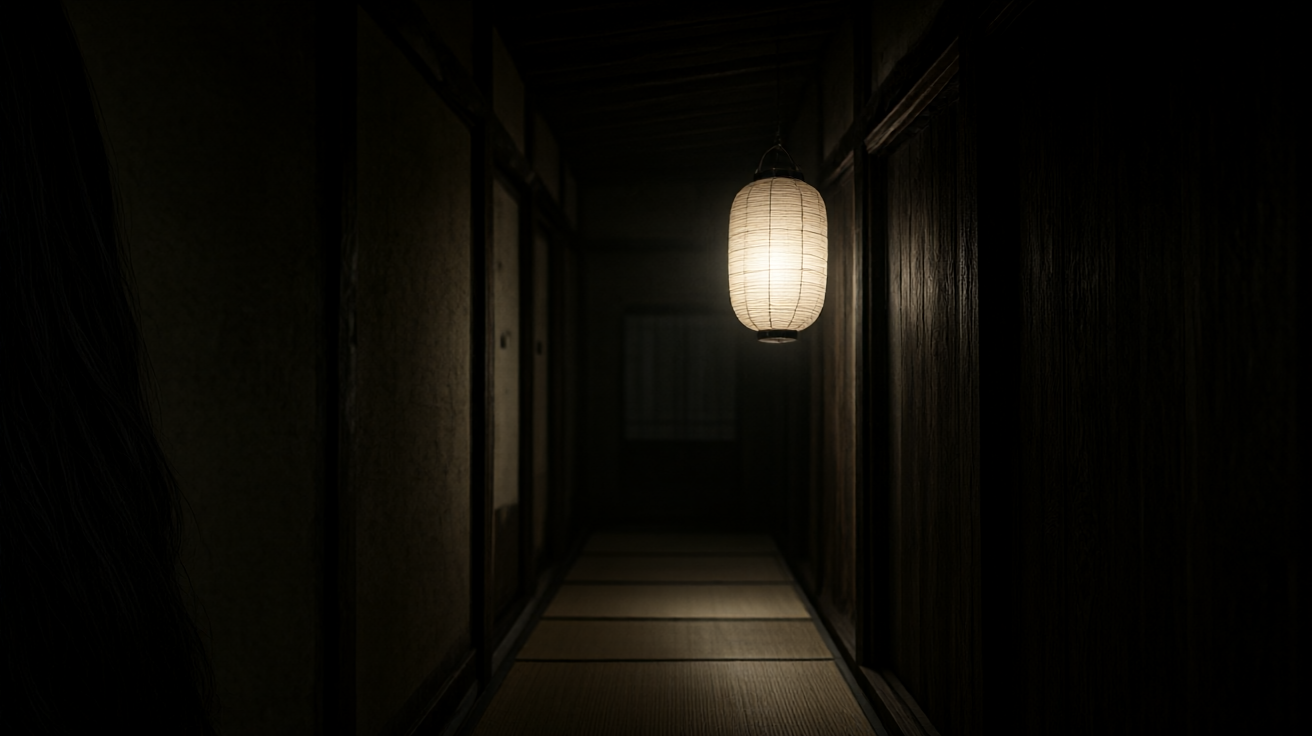
Overview of Japanese Horror
For those seeking good Japanese horror movies, look no further than critically acclaimed titles like One Cut of the Dead, Ringu, and Godzilla. Japanese horror cinema is renowned for its unique approach to fear, often emphasizing emotional discomfort, psychological tension, and the unsettling idea that ordinary environments can conceal something deeply unfamiliar. This focus on subtle dread, combined with themes of isolation, trauma, and the supernatural, contributes to its lasting impact.
Japanese horror has a rich history, with early influences in the 1950s and 1960s from films such as Ugetsu and Kwaidan. Over time, it evolved to include transgressive cult works like Tetsuo: The Ironman, comedic takes such as Hausu and One Cut of the Dead, and major crossover hits like Ringu and Audition. The original Godzilla also stands out as a significant piece, created in response to nuclear trauma, showcasing horror as a means to process real-world anxieties. These films often blend pure horror elements with other genres like sci-fi, historical drama, and psychological thrillers, maintaining a consistent focus on generating fear, tension, or dread.
Top-Rated Japanese Horror Films
Many Japanese horror films have achieved critical acclaim, with several earning high ratings for their unique narratives and unsettling atmospheres. These films often explore themes ranging from vengeful spirits and curses to psychological unease and the blurring of reality.
Here’s a selection of some of the highest-rated Japanese horror movies, based on critical consensus and audience reception:
| Rank | Movie Title | Year | Tomatometer | Synopsis Highlight |
|---|---|---|---|---|
| 1 | One Cut of the Dead | 2017 | 100% | Real zombies attack a film crew shooting a low-budget zombie film. |
| 2 | Ugetsu | 1953 | 100% | A tale of ambition and war with supernatural elements in 16th-century Japan. |
| 3 | Horrors of Malformed Men | 1969 | 100% | A medical student assumes a dead man’s identity and finds a sinister island. |
| 4 | Blind Beast | 1969 | 100% | A blind sculptor kidnaps a model, exploring obsession and control. |
| 5 | Ringu | 1998 | 98% | Supernatural elements and anxieties about modern technology combine around a cursed videotape. |
| 6 | Kuroneko | 1968 | 96% | Vengeful spirits of two women exact revenge on samurai. |
| 7 | Godzilla | 1954 | 94% | A fire-breathing behemoth terrorizes Japan after an atomic bomb. |
| 8 | Cure | 1997 | 94% | A detective tracks a series of identical murders under bizarre circumstances. |
| 9 | Creepy | 2016 | 94% | An ex-detective becomes entangled with a strange, manipulative neighbor. |
| 10 | Kwaidan | 1964 | 91% | An anthology adapting four Japanese folk tales, including a penniless samurai’s story. |
One Cut of the Dead is notable for its innovative take on the zombie genre, blending comedy and satire with its horror elements. Ringu is a classic example of how Japanese horror integrates supernatural elements with modern technological anxieties, creating a truly frightening experience. Godzilla (1954) stands as a powerful post-war commentary, using a monster narrative to explore real trauma. Films like Cure and Audition delve into psychological intrigue and disturbing human behavior, showcasing the genre’s versatility beyond just ghosts and monsters.
Notable Genres and Influences
Japanese horror cinema is incredibly diverse, encompassing a wide range of subgenres and thematic explorations. From ancient folk tales to contemporary psychological thrillers, these films consistently find new ways to thrill and disturb audiences.
One significant category is Supernatural Horror, often featuring vengeful spirits (yurei) and curses. Ringu is a prime example, where a cursed videotape leads to terrifying consequences. Similarly, Kwaidan (1964) is an anthology that adapts traditional Japanese ghost stories, offering a meditative tribute to folklore. Dark Water (2002) is another emotionally-driven ghost story, focusing on a mother and daughter encountering unexplained events in an aging apartment building. The Ju-On series, including Ju-On: The Curse 2 (2000) and Ju-On: The Grudge, further exemplifies this, detailing an expanding curse affecting those who come into contact with a specific house.
Psychological Horror is another strong suit, exploring themes of obsession, identity, and mental distress. Cure (1997) is both an atmospheric crime film and a philosophical meditation on a series of identical murders. Audition (1999) is an audacious and unsettling thriller that transitions from a psychological drama to a grisly shocker. Creepy (2016) delves into suburban dread as an ex-detective uncovers a neighbor’s sinister manipulations. Films like Blind Beast (1969) push boundaries further, exploring psychological obsession and artistic horror through experimental narratives.
Monster Movies have a profound impact, with Godzilla (1954) being the quintessential example. Created as a response to nuclear oblivion, it uses a monstrous creature to process real-world trauma. Its 2016 iteration, Shin Godzilla, offers a refreshing return to the monster’s classic creature-feature roots.
Japanese horror also embraces Experimental and Cult Classics, such as Hausu (1977), known for its gleefully demented collage of bizarre sequences, and Tetsuo: The Ironman, a transgressive work of body horror. Horrors of Malformed Men (1969), inspired by Edogawa Ranpo’s stories, explores grotesque human desires through experimental visuals. These films often challenge conventional storytelling and visual aesthetics, contributing to the genre’s unique identity.
FAQ
What makes Japanese horror different from Western horror? Japanese horror often focuses on psychological discomfort, subtle dread, and the unsettling idea that ordinary environments can hide something deeply unfamiliar, rather than relying primarily on jump scares or explicit gore. It frequently explores themes of isolation, trauma, and the supernatural, blurring the line between reality and the unknown.
Are there any comedic Japanese horror movies? Yes, One Cut of the Dead (2017) is a notable example that reanimates the zombie genre with a blend of formal daring and clever satire. Hausu (1977) is also known for its gleefully demented and bizarre sequences, often incorporating comedic elements into its horror.
Which Japanese horror movies have received English-language remakes? Many influential Japanese horror films have earned English-language remakes due to their impact and popularity. Ringu was notably remade as The Ring, and Ju-On: The Grudge was remade as The Grudge. Dark Water also received an American adaptation.
What is the significance of Godzilla in Japanese horror? The original Godzilla (1954) is significant not just as a monster movie, but as a piece of art created to process the real trauma of nuclear oblivion. It offers potent, sobering postwar commentary and is considered one of the core values of horror in processing real-world anxieties.
Are there any Japanese horror anthologies? Yes, Kwaidan (1964) is an anthology that adapts four Japanese folk tales, offering a meditative tribute to Japanese folklore. Three… Extremes (2005) is another anthology featuring brutal, powerful horror stories by three of Asia’s top directors, including Takashi Miike.