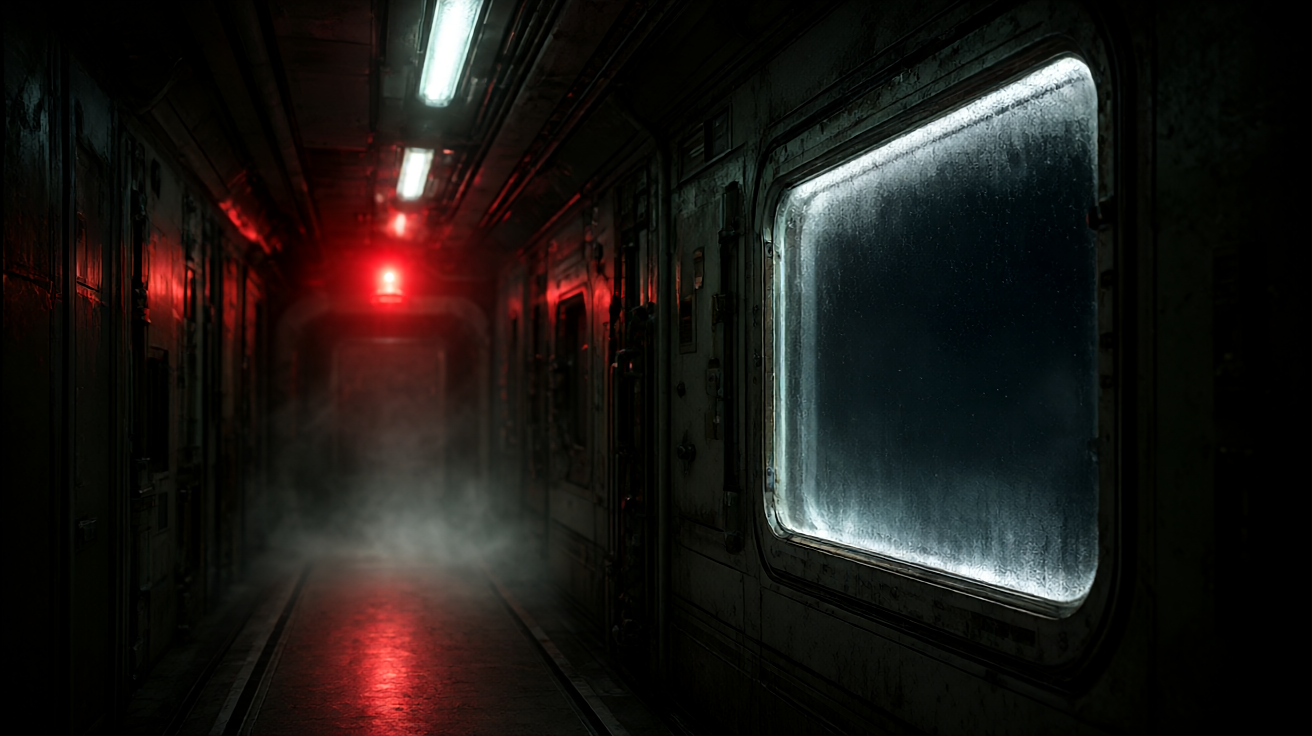
Introduction to Sci-Fi Horror
For those seeking a thrilling blend of scientific exploration and terrifying suspense, good sci-fi horror movies offer a unique experience. This hybrid genre excels at creating an atmosphere of pure terror by combining humanity’s fear of the unknown with the desire to explore new worlds and technologies, often resulting in horrifying consequences. Whether it’s the dread of an unseen killer in the darkness of space or the unsettling implications of out-of-control technology, sci-fi horror leverages both wonder and fear to keep audiences glued to the screen.
The effectiveness of sci-fi horror lies in its ability to suspend disbelief, either through brilliant scientific illustration or by crafting an environment that captivates the viewer. The last few decades have been particularly fruitful for fans of this genre, with numerous films exploring themes from mad scientists and alien invasions to man-made diseases and artificial intelligence gone rogue. This combination of genres provides limitless potential for storytelling, making it a rich ground for both unexpected jump scares and high-budget special effects.
Classic Sci-Fi Horror Gems
Many of the foundational works in sci-fi horror emerged in earlier cinematic eras, establishing tropes and themes that continue to resonate today. These films often explored the fears of their time, from scientific hubris to the anxieties of the atomic age.
| Rank | Movie | Year | Key Horror Element |
|---|---|---|---|
| 49 | Frankenstein | 1931 | Mad scientist’s creation |
| 45 | The Invisible Man | 1933 | Science-induced madness |
| - | Them! | 1954 | Irradiated giant insects |
| - | Invasion of the Body Snatchers | 1978 | Alien replication, loss of identity |
| - | Alien | 1979 | Unknown killer in space |
| - | The Thing | 1982 | Shape-shifting alien, paranoia |
Frankenstein (1931), directed by James Whale, stands as a cornerstone, adapting Mary Shelley’s novel about Dr. Henry Frankenstein’s creation of a monster from deceased body parts. The monster’s confusion and subsequent havoc showcase the dangers of unchecked scientific ambition. Similarly, The Invisible Man (1933) delves into the madness that can accompany scientific discovery, as Dr. Griffin’s invisibility leads to homicidal tendencies.
Moving into the 1950s, Them! (1954) capitalized on post-war fears, depicting giant ants irradiated by atomic bomb testing. While its creature effects might seem dated, its story and pacing remain effective. Invasion of the Body Snatchers (1978), a remake of the 1956 classic, explores alien replication through pods that create emotionless duplicates, a chilling commentary on conformity. Ridley Scott’s Alien (1979) redefined space horror with its iconic Xenomorph, a creature that, despite only having four minutes of screen time, became one of the most famous horror movie monsters. John Carpenter’s The Thing (1982) further intensified alien horror with a shape-shifting entity that preys on a research team in Antarctica, generating immense paranoia and distrust among the survivors.
Modern Sci-Fi Horror Essentials
The turn of the millennium has seen a resurgence and evolution of sci-fi horror, with filmmakers pushing boundaries in special effects, psychological depth, and thematic complexity. These films often reflect contemporary anxieties about technology, pandemics, and existential threats.
| Rank | Movie | Year | Key Horror Element |
|---|---|---|---|
| 48 | Brightburn | 2019 | Evil superhuman child |
| 47 | 28 Weeks Later | 2007 | Re-ignited Rage Virus |
| 46 | Underwater | 2020 | Deep-sea creatures, extreme pressure |
| 43 | Prometheus | 2012 | Alien civilization, existential threat |
| 50 | Possessor | 2020 | Brain implants, identity horror |
| 50 | Doom | 2005 | Hell in space, space mutants |
Brightburn (2019) offers a dark twist on the superhero origin story, portraying a child with superhuman abilities who develops a great evil within him, turning a symbol of hope into a source of terror. 28 Weeks Later (2007) continues the narrative of the Rage Virus, showing its resurgence in a supposedly repopulated London, proving the virus to be more deadly than ever. Underwater (2020) brings horror to the Mariana Trench, where a research crew faces extreme conditions and deadly deep-sea creatures after an earthquake.
Ridley Scott’s Prometheus (2012) explores humanity’s origins and the terrifying implications of encountering an alien civilization, jeopardizing not just the mission but humanity’s very existence. Possessor (2020) delves into psychological horror with brain implants used for corporate assassinations, leading to complex themes of identity and dualism with gory visual effects. Even video game adaptations like Doom (2005) find their place by bringing the concept of “hell in space” to life with creepy space mutants and intense, jump-scary violence.
Notable Sci-Fi Horror Films
Beyond the highest-ranked entries, many other films contribute significantly to the sci-fi horror genre, offering diverse approaches to blending scientific concepts with terrifying narratives. These movies showcase the breadth of the genre, from cult classics to critically acclaimed remakes.
One example is Re-Animator (1985), based on an H.P. Lovecraft novel, where a Swiss scientist discovers a fluid capable of reviving dead tissue, leading to predictable yet gruesome consequences when experimented on deceased bodies. This film highlights the dangers of playing God with life and death.
Another cult classic, Lifeforce (1985), directed by Tobe Hooper, begins with a space mission that discovers a spaceship hidden in a comet’s tail, unfolding into a pulpy and intense narrative. These films, while perhaps not always topping “best of” lists, are integral to the genre’s history and evolution, often pushing boundaries in their own unique ways. The blend of action, sci-fi, and horror can be seen in films like Silent Rage (1982), starring Chuck Norris as a sheriff confronting a super-strong, practically invulnerable killer brought back to life by a mad scientist’s experimental formula.
The versatility of sci-fi horror means it can incorporate elements from various subgenres, creating an unmatchable sense of wonder and fear. From the psychological torment of identity crises induced by technology to the visceral terror of monstrous creatures, the genre continues to evolve, reflecting and amplifying human fears of the unknown.
FAQ
What defines a sci-fi horror movie? A sci-fi horror movie combines elements of science fiction, such as advanced technology, space exploration, or alien life, with horror elements like suspense, gore, jump scares, or psychological terror, often exploring humanity’s fear of the unknown or the dangerous consequences of scientific advancement.
Are there any classic black and white sci-fi horror films worth watching? Yes, classics like Frankenstein (1931) and The Invisible Man (1933) are excellent examples of early sci-fi horror, showcasing foundational themes and practical effects that set the stage for the genre.
Do sci-fi horror movies often involve aliens? Many sci-fi horror movies feature aliens as a primary source of terror, such as Alien (1979), The Thing (1982), and Prometheus (2012), where unknown extraterrestrial life forms pose existential threats.
Can sci-fi horror explore psychological themes? Absolutely. Films like Possessor (2020) delve into psychological horror by exploring themes of identity, consciousness, and the moral implications of advanced technology, often leading to disturbing mental and emotional consequences for characters.
Are there sci-fi horror movies that are also action-oriented? Yes, some sci-fi horror films blend action elements, such as Silent Rage (1982) which features martial arts, or Doom (2005) which is based on a first-person shooter video game, combining physical combat with sci-fi and horror tropes.